

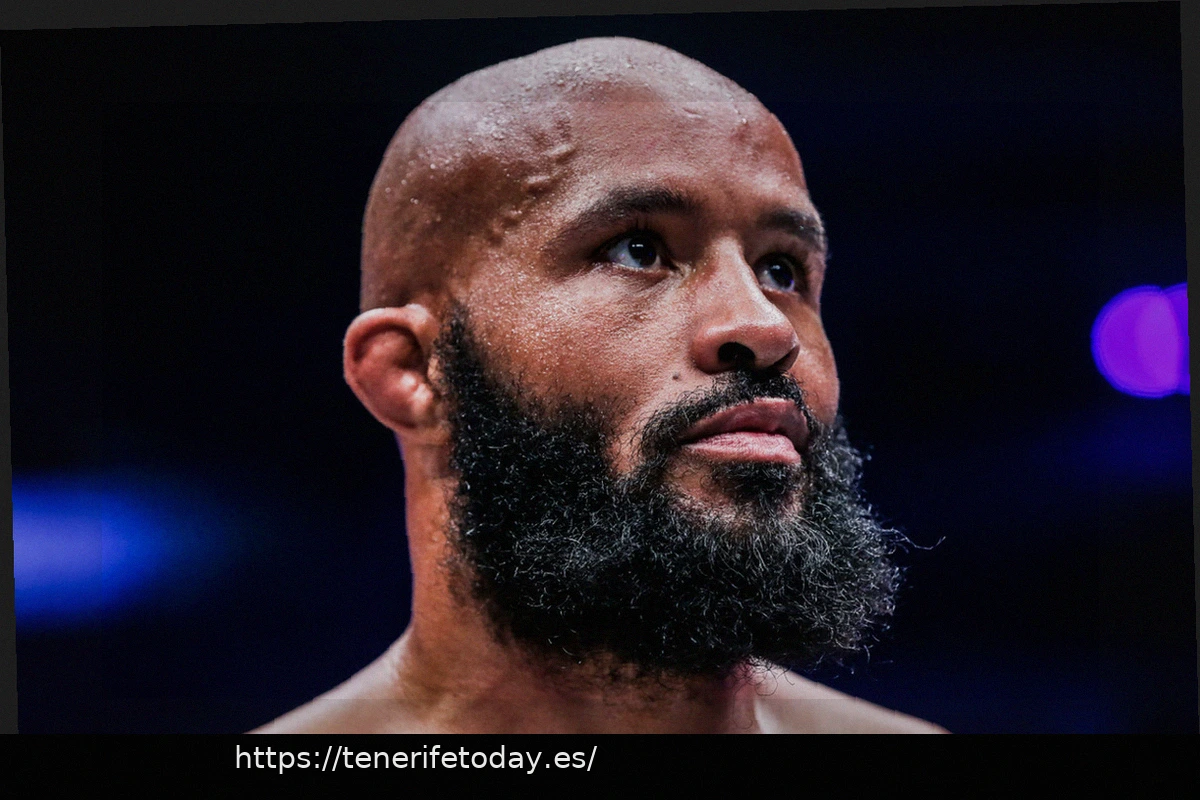
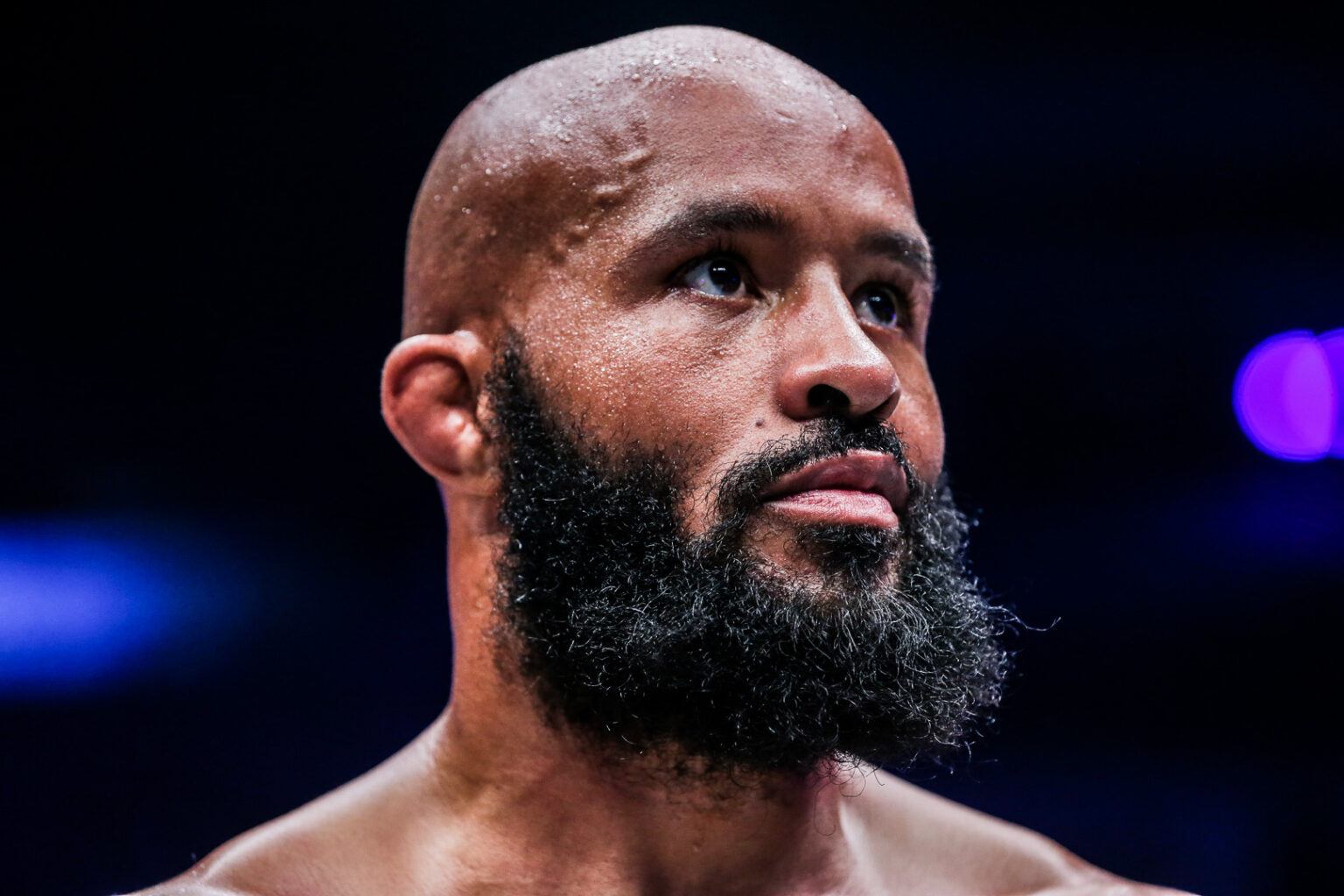
Demetrious Johnson, widely considered the greatest flyweight in MMA history, recently shed light on why a highly anticipated superfight against TJ Dillashaw never materialized in the UFC. Despite his dominant reign as champion, «Mighty Mouse» eventually left the promotion for ONE Championship after a controversial decision loss to Henry Cejudo.
Johnson revealed that the idea of facing Dillashaw, a bantamweight champion at the time, was discussed with Dana White. During a conversation where Johnson expressed his desire for a «superfight,» White suggested Dillashaw. Johnson responded by demanding a payment of one million dollars for the bout. White, however, rejected this request, stating, «I can’t pay what you don’t bring in.»
This financial disagreement ultimately scuttled what could have been a monumental clash between two of the sport’s elite fighters. It highlights a recurring issue where dream fights in the Ultimate Fighting Championship are often hampered by contract and pay disputes, preventing many highly anticipated matchups from ever coming to fruition.
Demetrious Johnson Explica Por Qué Su Pelea Soñada con TJ Dillashaw Nunca Ocurrió
Demetrious Johnson, considerado por muchos el mejor peso mosca en la historia de las MMA, recientemente explicó por qué una esperada «superpelea» contra TJ Dillashaw nunca se concretó en la UFC. A pesar de su dominante reinado como campeón, «Mighty Mouse» finalmente dejó la promoción para unirse a ONE Championship después de una controvertida derrota por decisión ante Henry Cejudo.
Johnson reveló que la idea de enfrentarse a Dillashaw, entonces campeón de peso gallo, fue discutida con Dana White. Durante una conversación en la que Johnson expresó su deseo de una «superpelea», White sugirió a Dillashaw. Johnson respondió exigiendo un pago de un millón de dólares por el combate. White, sin embargo, rechazó esta petición, afirmando: «No puedo pagar lo que no generas».
Este desacuerdo financiero finalmente frustró lo que pudo haber sido un choque monumental entre dos de los luchadores de élite del deporte. Esto subraya un problema recurrente donde las peleas soñadas en el Ultimate Fighting Championship a menudo se ven obstaculizadas por disputas de contratos y pagos, impidiendo que muchos combates muy esperados lleguen a materializarse.
 Isidro Montero
  Miguel Ángel Oriol