

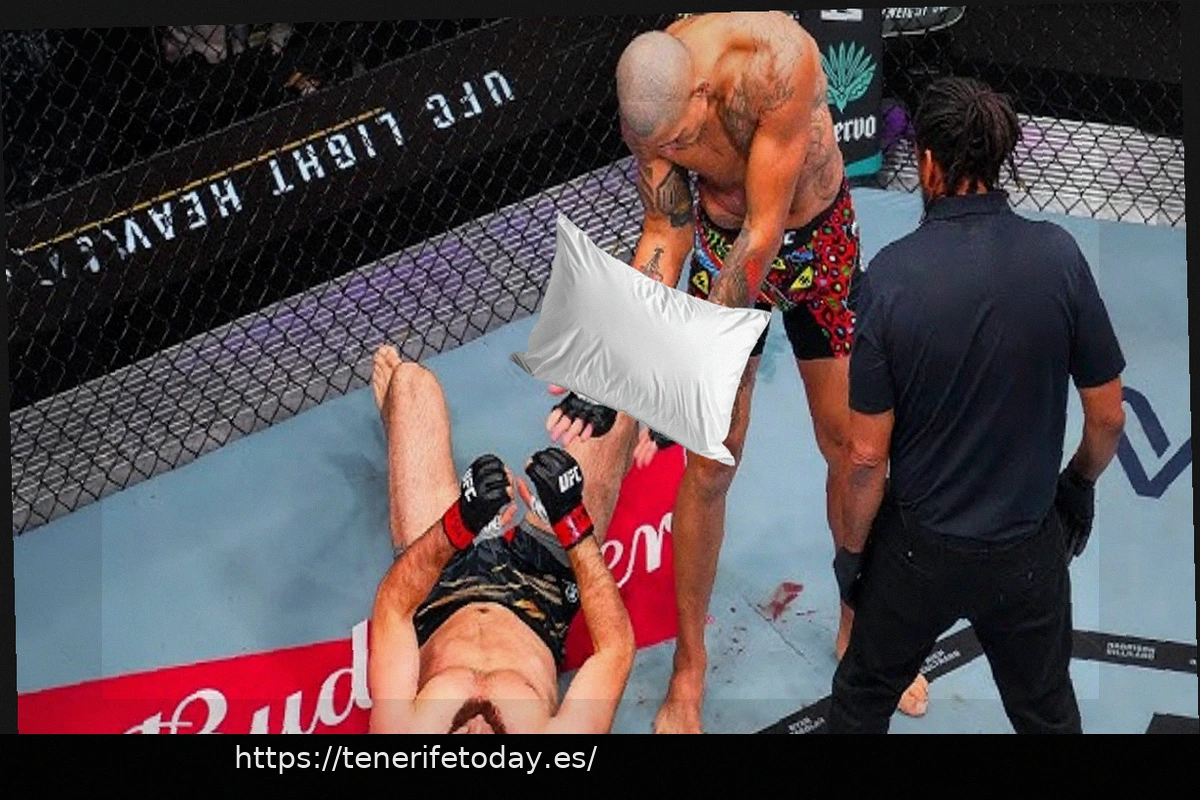
Recent studies suggest that strategic daytime napping offers significant advantages for professional UFC athletes. This simple practice is gaining recognition as a valuable, low-tech method to improve reaction times, enhance decision-making clarity, and accelerate recovery. Although much of the existing research focuses on team sports and other athletic fields, the underlying principles are highly relevant to the demanding nature of high-level MMA.
Scientific Findings on Naps and Athletic Performance
An analysis published in 2023 indicated that daytime naps lasting between 30 and 60 minutes significantly boost both physical and cognitive capabilities in athletes. These naps were also found to decrease perceived fatigue, whether athletes had experienced a full night’s sleep or partial sleep deprivation. Optimal benefits were observed when performance testing occurred at least an hour after waking from the nap, mitigating the effects of sleep inertia.
Another review on daytime napping in sports highlighted that mid-day rest periods can either improve or restore athletic performance and cognitive functions, also positively influencing mood and reducing the perception of effort. While specific outcomes can vary by sport and protocol, studies on active individuals typically suggest nap durations for athletes range from 25 to 90 minutes, with shorter naps often yielding more immediate performance gains.
The Impact of Power Naps on Sprint Performance and Decision Speed
Research involving trained athletes demonstrates that brief naps can significantly enhance high-intensity activities crucial for striking and grappling. One study on post-lunch napping revealed that a 20-minute nap improved repeated sprint performance, reaction time, mood, and antioxidant levels, while decreasing sleepiness and muscle damage indicators. In contrast, a 90-minute nap in the same study actually impaired sprint performance and increased drowsiness.
For elite Kung Fu athletes experiencing sleep deprivation, a 45-minute afternoon nap led to a roughly 14% improvement in decision accuracy and a 16% improvement in reaction time. Although vertical jump height saw only minor increases, this indicates that cognitive recovery was more pronounced than physical. Such findings are directly applicable to UFC fighters who must make rapid tactical decisions while fatigued, whether anticipating an opponent’s move or defending against a late submission.
Naps: Enhancing Agility, Reducing Fatigue, and Optimal Timing
A study conducted in 2026 with adolescent soccer players showed that a strategic 45-minute nap enhanced agility performance and lowered perceived exertion. There were also hints of improved sprint times compared to shorter naps. While consistent changes in repeated-sprint ability weren’t noted, participants reported feeling less fatigued during training sessions after taking the longer nap.
Consistently across various studies, mid-day naps are typically recommended between 12:30 PM and 4:50 PM, with early afternoon being a prime window. Performance testing is usually scheduled at least an hour after waking from the nap. This timing coincides with the body’s natural post-lunch dip in alertness, facilitating easier napping without negatively impacting nighttime sleep, provided proper management.
Relevance for UFC Fighters
The intense schedule of a UFC training camp often leads to partial sleep deprivation for fighters, stemming from early media engagements, late training sessions, and travel. This can impair reaction times and heighten the perception of effort during sparring. Strategic napping presents an effective solution to regain cognitive sharpness without disrupting the core training routine, especially beneficial on days with double sessions involving intense grappling or conditioning.
For MMA athletes, the most relevant takeaways include: short to moderate naps (20-45 minutes) taken in the early afternoon, with at least a 60-minute buffer before intense activity, can significantly improve explosive performance (like sprints), lead to clearer decision-making, and reduce fatigue. These benefits are particularly pronounced when the previous night’s sleep was insufficient.
 Miguel Ángel Oriol
  Isidro Montero